Elegant Style Font for Web Design
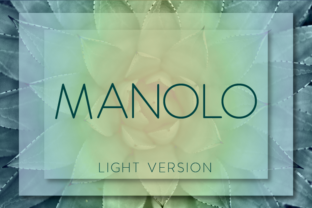
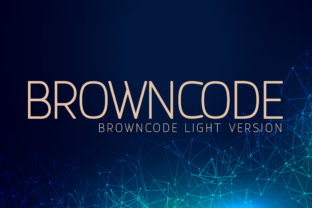
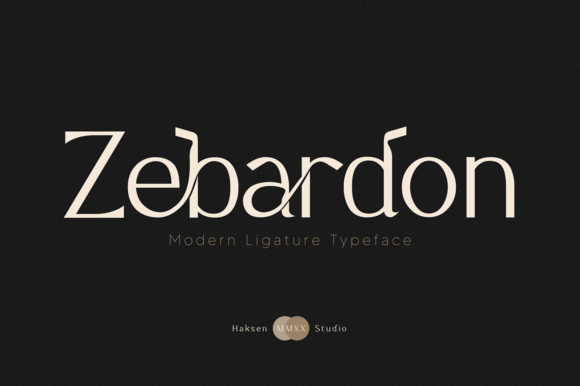
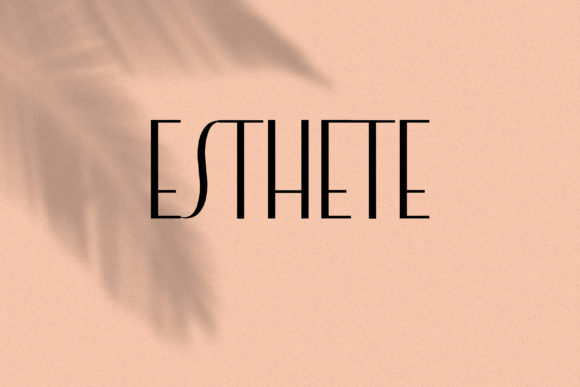
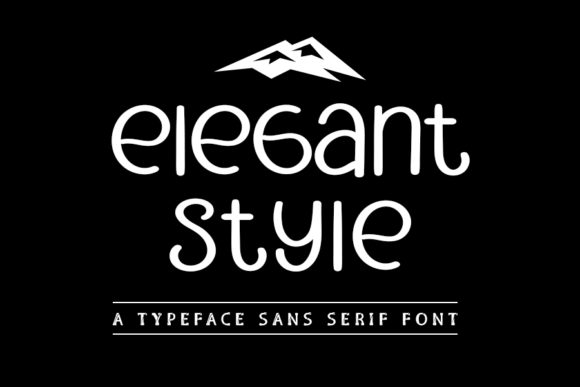
Working on a boutique online store project, I needed a font that felt modern yet refined. After testing several options, I settled on Elegant Style—a minimal and neat sans serif font that effortlessly elevates the visual appeal of any digital layout.
The first time I used Elegant Style in a hero section, it immediately brought clarity and sophistication to the design. Its clean lines and balanced spacing made it ideal for headlines and call-to-action buttons. The font’s simplicity allowed it to blend seamlessly with other design elements without overpowering them.
Visual Characteristics and Digital Appeal
Elegant Style has a personality that feels both professional and approachable. It lacks the ornate details of a script or decorative font, which makes it perfect for projects that require a polished look. Its subtle curves and even weight distribution ensure readability across different screen sizes and resolutions.
This font works well in a variety of digital contexts. Whether I was designing a coaching website or a product landing page, Elegant Style provided a consistent and cohesive feel. Its versatility allows it to function as a display font for headings and as a supporting typeface for body text when paired with a complementary font.
Use Cases for Elegant Style
On a creative portfolio site, I used Elegant Style for the main navigation and project titles. The font’s neutrality gave the site a modern edge while maintaining a sense of professionalism. For an online shop banner, it helped draw attention to key messages without distracting from the product images.
When working on a course sales page, I found that Elegant Style added a layer of credibility. The font’s clean appearance reinforced the idea of a well-structured learning experience. In blog headers, it created a clear visual hierarchy, making it easier for readers to scan through content quickly.
Readability and User Experience
One of the most important factors in choosing a font is how it performs on mobile screens. Elegant Style maintains its legibility at smaller sizes, which is crucial for responsive layouts. On a mobile device, the font’s spacing prevents text from feeling cramped, ensuring a comfortable reading experience.
For small buttons or icons, the font still holds up well. Even on dark backgrounds, it remains readable without requiring additional styling. When placed over image banners, its contrast with the background helps maintain visibility without overwhelming the design.
Font Pairing and Brand Consistency
Pairing Elegant Style with another font can enhance the overall design. For instance, using it alongside a serif font for body copy adds depth and contrast. This combination works especially well for editorial-style websites or blogs that aim for a more traditional feel.
On a digital brand kit, I used Elegant Style for logo text and heading tags. Its consistency across different elements helped reinforce the brand’s identity. Whether it was a campaign landing page or a social media graphic, the font remained a reliable choice that aligned with the brand’s aesthetic.
Practical Considerations for Web Designers
Before implementing Elegant Style on a project, I always check the available styles and webfont formats. The font comes in multiple weights, which is useful for creating visual hierarchy. Its multilingual support ensures that it works well for international audiences.
Commercial licensing is another important factor. Elegant Style is suitable for use on client projects, online stores, and digital templates. Its availability in common file formats like WOFF and TTF makes it easy to integrate into web workflows.
As a web designer, I appreciate fonts that offer flexibility without compromising quality. Elegant Style meets those standards. It’s a premium font that brings a level of refinement to any digital layout, whether it’s a simple landing page or a complex SaaS interface.
Using this font in a real-world project has shown me how much of an impact typography can have on user engagement and brand perception. It’s not just about aesthetics—it’s about creating a seamless and enjoyable experience for the end user.
For designers looking to add a touch of elegance to their work, Elegant Style is a solid choice. Its balance of style and functionality makes it a valuable addition to any design toolkit.